
💬 Venez donner votre avis sur DisneyPixar.fr : aidez-nous à améliorer le site !

Given these technical realities, how should you think about protecting your PureBasic software?

While stealing code is illegal, there are legally recognized "fair use" scenarios for reverse engineering, which generally include:

PureBasic compiles to native machine code (C/ASM then to executable), not bytecode like Java or .NET. This makes decompilation extremely difficult - you'd typically get assembly output, not original PureBasic source.

If you want to explore the engineering side of this further, let me know. I can break down , explain how PureBasic handles strings in memory , or show you how to write simple code obfuscators directly in PureBasic. Share public link

When searching for a PureBasic decompiler, users usually expect a tool that outputs a .pb file identical to the source. This is theoretically and practically impossible for native binaries due to several factors: 1. Loss of Variable and Function Names

PureBasic compiles your procedures into standalone functions. In Ghidra, search for functions that are not part of the runtime library (usually smaller, cleaner functions).

Look for calls to:

Given the reality that 100% security is impossible, the focus should shift to implementing practical, multi‑layered defenses that raise the effort required for an attacker to compromise your application. Based on community knowledge and best practices, here are actionable strategies:

to view the intermediate assembly of your own PureBasic projects?

Many people search for "PureBasic decompiler" when they mean . A disassembler (like OllyDbg) shows you assembly. A decompiler tries to raise that assembly to a high-level language. No tool raises assembly to PureBasic syntax automatically.

For developers who have , disassembly is not a practical recovery method. The community's advice is direct and clear: "A Decompiler that makes a PB file from a PB EXE doesn't exist. Remedy: Rewrite it. Little tip: Make regular backups!".

Security researchers encounter a suspicious executable. They suspect it was written in PureBasic (detectable via unique runtime strings like PureBasic_Init or PB_DEBUGGER_LineNumber ). They need to understand its behavior.

PureBasic's compiler first translates your code into a highly optimized assembly (ASM) code file before assembling it into the final executable. This intermediate step removes many of the high-level structures (like named variables and complex loops in a recognizable form), making the final executable a tangled web of optimized low-level instructions.

This public link is valid for 7 days and shares a thread, including any personal information you added. This link or copies made by others cannot be deleted. If you share with third parties, their policies apply. Can’t copy the link right now. Try again later.
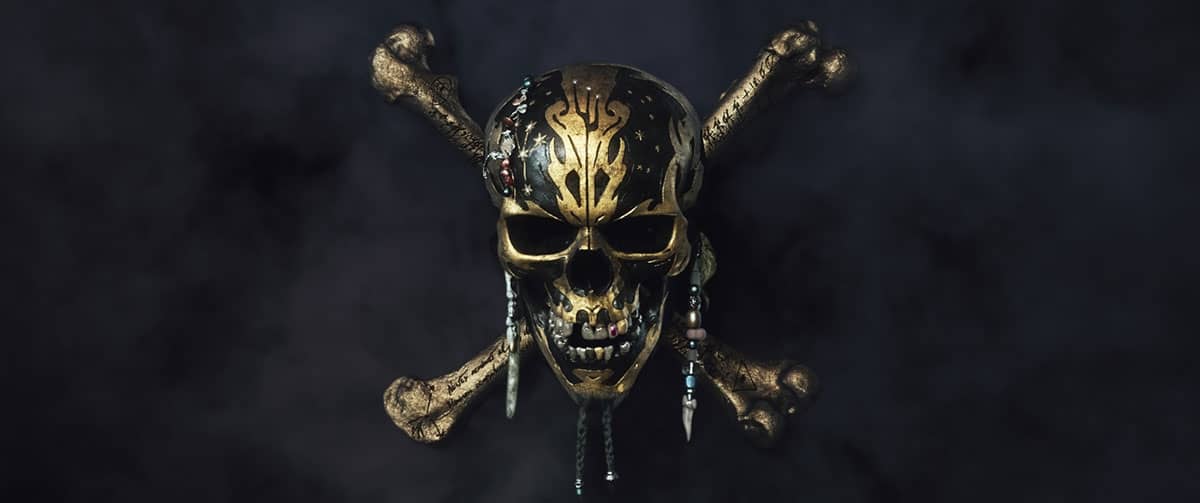

Pirates des Caraïbes : Jusqu'au bout du monde est un film sorti au cinéma le 23 mai 2007 en France (le 25 mai 2007 dans son pays d'origine).

Pirates des Caraïbes : Jusqu'au bout du monde a été produit par Jerry Bruckheimer Films, Second Mate Productions et Walt Disney Pictures.

Amazon

Purebasic Decompiler Upd Jun 2026

Given these technical realities, how should you think about protecting your PureBasic software?

While stealing code is illegal, there are legally recognized "fair use" scenarios for reverse engineering, which generally include:

PureBasic compiles to native machine code (C/ASM then to executable), not bytecode like Java or .NET. This makes decompilation extremely difficult - you'd typically get assembly output, not original PureBasic source.

If you want to explore the engineering side of this further, let me know. I can break down , explain how PureBasic handles strings in memory , or show you how to write simple code obfuscators directly in PureBasic. Share public link purebasic decompiler

When searching for a PureBasic decompiler, users usually expect a tool that outputs a .pb file identical to the source. This is theoretically and practically impossible for native binaries due to several factors: 1. Loss of Variable and Function Names

PureBasic compiles your procedures into standalone functions. In Ghidra, search for functions that are not part of the runtime library (usually smaller, cleaner functions).

Look for calls to:

Given the reality that 100% security is impossible, the focus should shift to implementing practical, multi‑layered defenses that raise the effort required for an attacker to compromise your application. Based on community knowledge and best practices, here are actionable strategies:

to view the intermediate assembly of your own PureBasic projects?

Many people search for "PureBasic decompiler" when they mean . A disassembler (like OllyDbg) shows you assembly. A decompiler tries to raise that assembly to a high-level language. No tool raises assembly to PureBasic syntax automatically. Given these technical realities, how should you think

For developers who have , disassembly is not a practical recovery method. The community's advice is direct and clear: "A Decompiler that makes a PB file from a PB EXE doesn't exist. Remedy: Rewrite it. Little tip: Make regular backups!".

Security researchers encounter a suspicious executable. They suspect it was written in PureBasic (detectable via unique runtime strings like PureBasic_Init or PB_DEBUGGER_LineNumber ). They need to understand its behavior.

PureBasic's compiler first translates your code into a highly optimized assembly (ASM) code file before assembling it into the final executable. This intermediate step removes many of the high-level structures (like named variables and complex loops in a recognizable form), making the final executable a tangled web of optimized low-level instructions. If you want to explore the engineering side

This public link is valid for 7 days and shares a thread, including any personal information you added. This link or copies made by others cannot be deleted. If you share with third parties, their policies apply. Can’t copy the link right now. Try again later.
📚 Le saviez-vous ?
💰 Un succès commercial

Pirates des Caraïbes : Jusqu'au bout du monde a rapporté environ 961 000 000 $ dans le monde, pour un budget de production d'à peu près 300 000 000 $.

Anecdote au sujet de Pirates des Caraïbes : Jusqu'au bout du monde
🌍 Où se passe l'histoire ?

L'action du film se déroule en Jamaïque et à Singapour.

📸 Galerie d'images autour du film
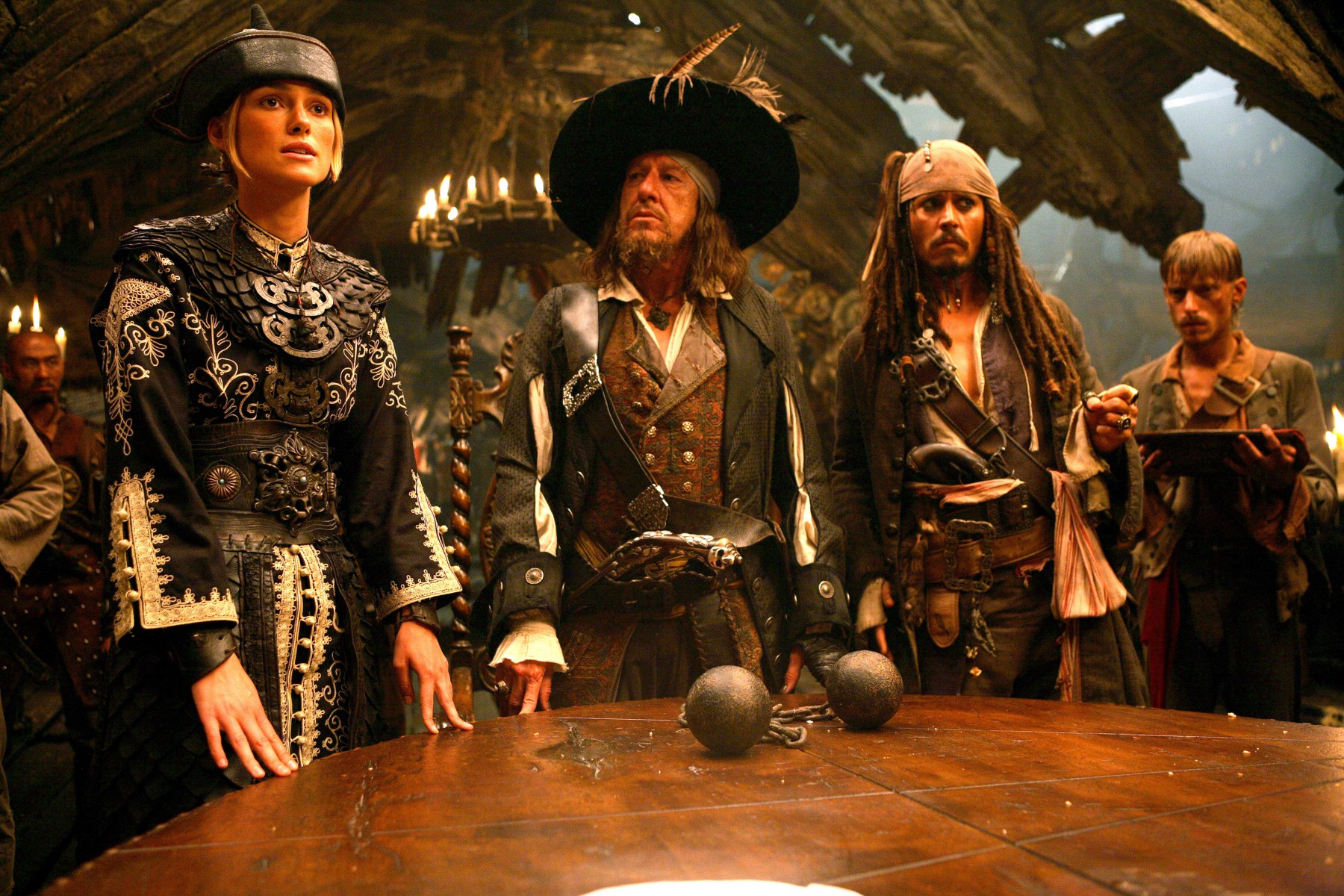
Illustration de Pirates des Caraïbes : Jusqu'au bout du monde