
EBC Webstore
Eastern Book Company

|
|||
|
|||
 Home > TEXTBOOKS > Judicial Process and Legal History > Legal and Constitutional History > 6th Edition 2013, Reprinted 2023 Home > TEXTBOOKS > Judicial Process and Legal History > Legal and Constitutional History > 6th Edition 2013, Reprinted 2023 |

We will see more (gay, lesbian, bisexual narratives written in Hindi), more exploration of elderly sexuality, and a move away from "saas-bahu" drama toward genuine emotional and physical discovery.
: The rise of audio storytelling apps has given birth to highly narrated romantic and erotic audio dramas.
Many stories revolve around the internal battle between personal desire and Maryada (social boundaries). Characters often find themselves at a crossroads where their natural instincts clash with family expectations or societal norms.
True literary narratives under this genre generally bypass pure sensationalism to focus on the intricate layers of human psychology: Narrative Focus Psychological Core
Individuals discovering their adult identities and physical preferences. Focuses on self-realization and shedding internal shame. Philosophical and Psychological Perspectives
The phrase (कामवासना हिंदी कहानी) occupies a unique space in contemporary digital literature. While the literal translation of Kamvasna refers to sensual desire, passion, or lust, the genre itself has evolved significantly. Today, it reflects a complex intersection of human psychology, societal taboos, emotional conflicts, and modern digital storytelling in the Hindi-speaking world. The Evolution of the Genre
एक दिन, रोहन को एक नए शहर में काम करने का अवसर मिला। वह बहुत खुश था और तुरंत शहर चला गया। शहर में पहुंचकर उसने देखा कि वहां की लड़कियां बहुत ही सुंदर और आकर्षक थीं।
These stories are rarely just about physical attraction; they often explore the blurred lines between love, obsession, and the societal constraints that surround them. Themes Often Explored in Kamvasna Stories
The genre of 'Kamvasna' stories, as we know it today, is the result of a fascinating evolution. It moved from the poetic and sophisticated realms of classical Sanskrit literature (such as the Kama Sutra and erotic poetry) and mythological parables, into the more accessible and widespread form of modern Hindi prose.
Within contemporary Hindi short fiction, Kamvasna aligns with writers who blend psychological subtlety and social realism (akin to authors such as Nirmal Verma or Krishna Sobti in sensibility). It diverges from overtly political realist stories by rooting its critique in interior reconciliation rather than manifesto-like denunciation.
रोहन ने बुजुर्ग की सलाह मानी और ध्यान और योग करना शुरू कर दिया। कुछ समय बाद, उसने महसूस किया कि उसकी कामवासना कम हो रही है और वह अपने जीवन को सकारात्मक दिशा में बदलने लगा है।
Eroticism and the exploration of human desire are not new to Indian literature. From ancient texts like the Kamasutra by Vatsyayana to the sensory poetry of Kalidasa, classical Indian art and literature have historically treated sensual desire ( Kama ) as one of the four essential goals of human life ( Purusharthas ), alongside Dharma (righteousness), Artha (wealth), and Moksha (liberation).
This shift began in the 20th century and accelerated with the explosion of digital media in the 21st. The internet, mobile apps, and social media platforms democratized storytelling, allowing both professional and amateur writers to share their work directly with a global audience. The demand for Hindi content grew exponentially, and the 'Kamvasna' genre found a new, vibrant, and massive digital home.
The roots of these narratives can be traced back to ancient Indian texts like the Kama Sutra , which served as a scientific and philosophical treatise on love, intimacy, and the harmonization of human relationships . In a classical context, a "Kamvasna" story might depict a character's internal struggle between worldly desires and spiritual enlightenment, such as the redemption arc of Raja Vikramasen . Key Themes and Characteristics
To truly understand 'Kamvasna', one must look beyond the literal translation. The word combines , often associated with desire or the god of love, Kama Deva, and 'Vasana' (वासना) , which refers to a desire, longing, or inclination. In many Indian philosophical traditions, 'Vasana' is a subtle imprint or desire that arises from past experiences and can be a driving force in one's life.
While often categorized simply as adult fiction, these stories reflect complex intersections of human psychology, societal taboos, emotional intimacy, and the evolving consumption habits of the modern Indian audience. The Cultural Context of Kamvasna in Literature
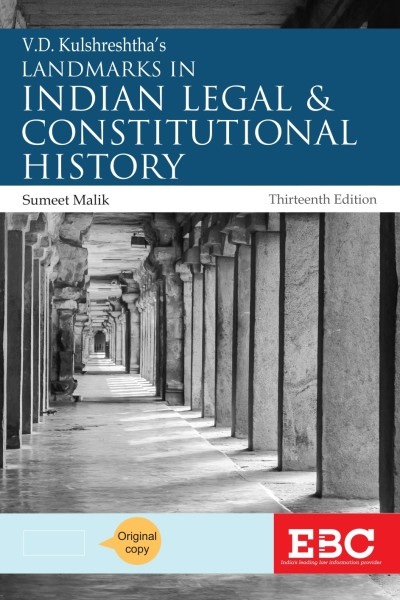
History of Courts, Legislature & Legal Profession in India by Dr Kailash Rai


|
Click on TITLE to choose available options.
|

|
Click on TITLE to choose available options.
|

|
Click on TITLE to choose available options.
|

|
Click on TITLE to choose available options.
|

|
Click on TITLE to choose available options.
|

|
Click on TITLE to choose available options.
|

|
|

|
Click on TITLE to choose available options.
|

|
Click on TITLE to choose available options.
|

|
|
|
||
|
||
|


