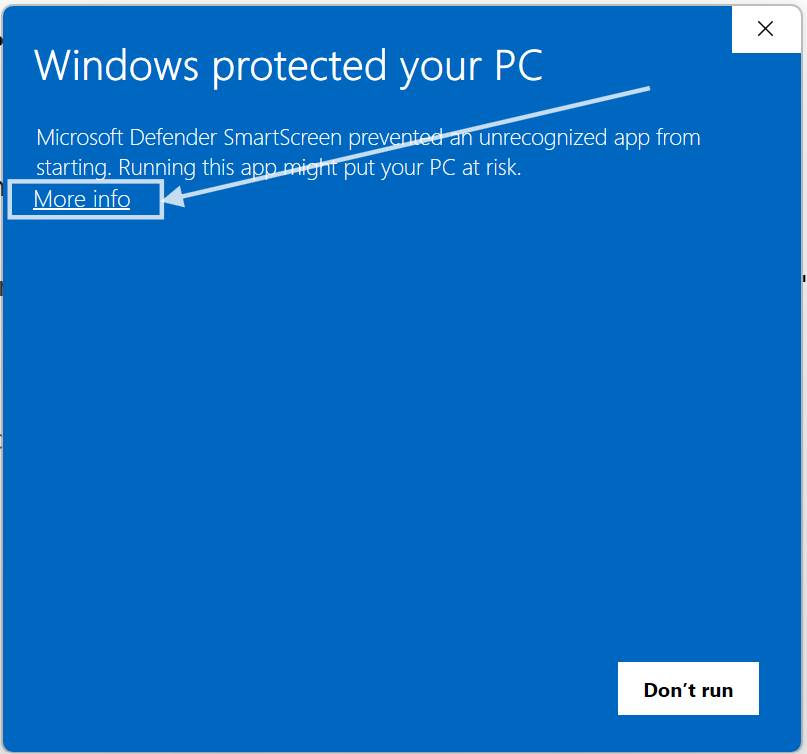
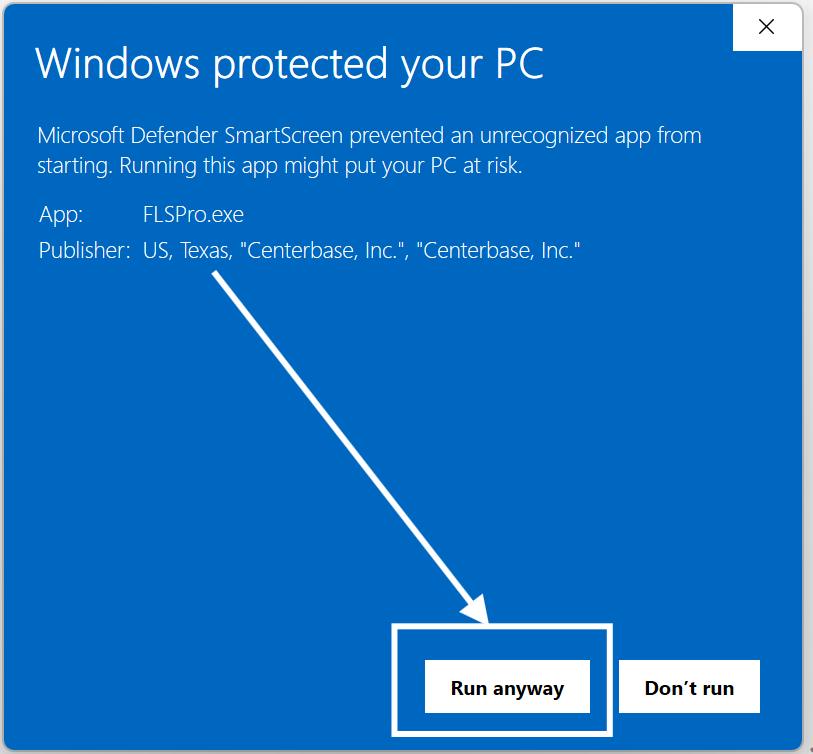
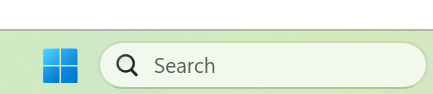
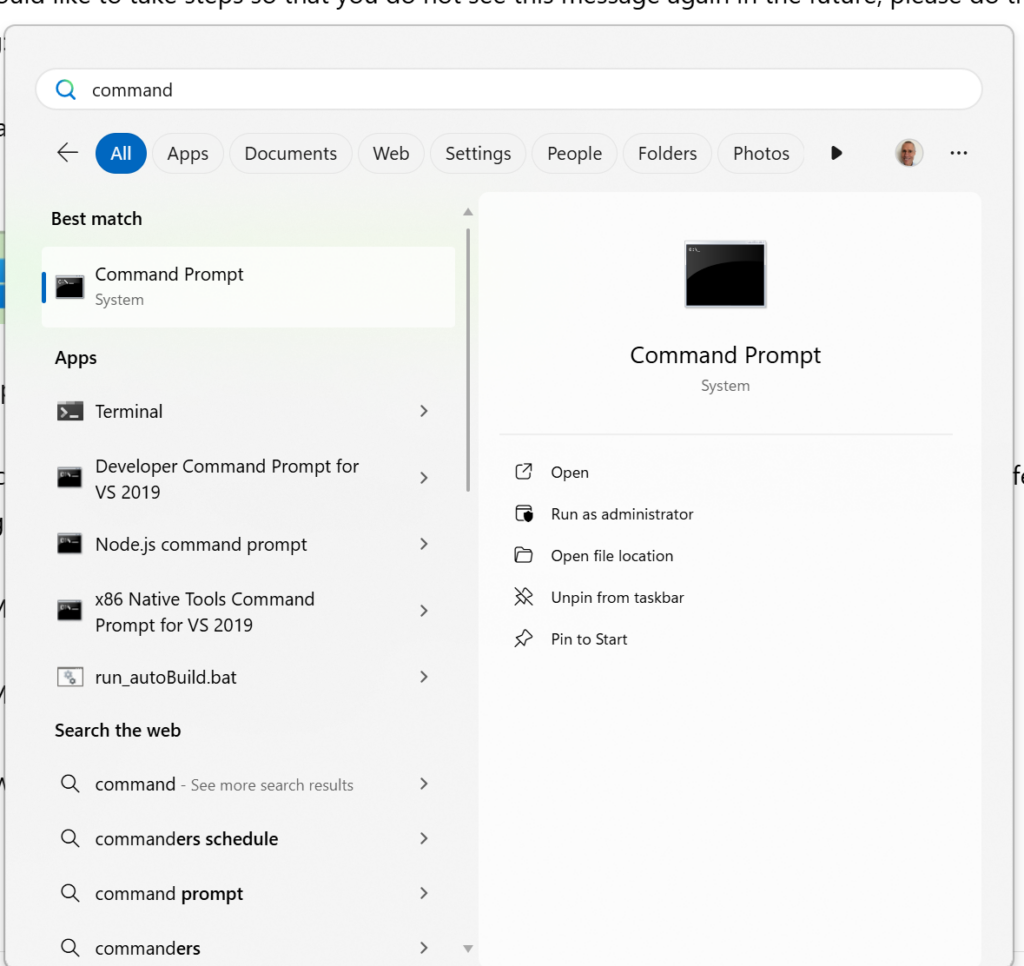
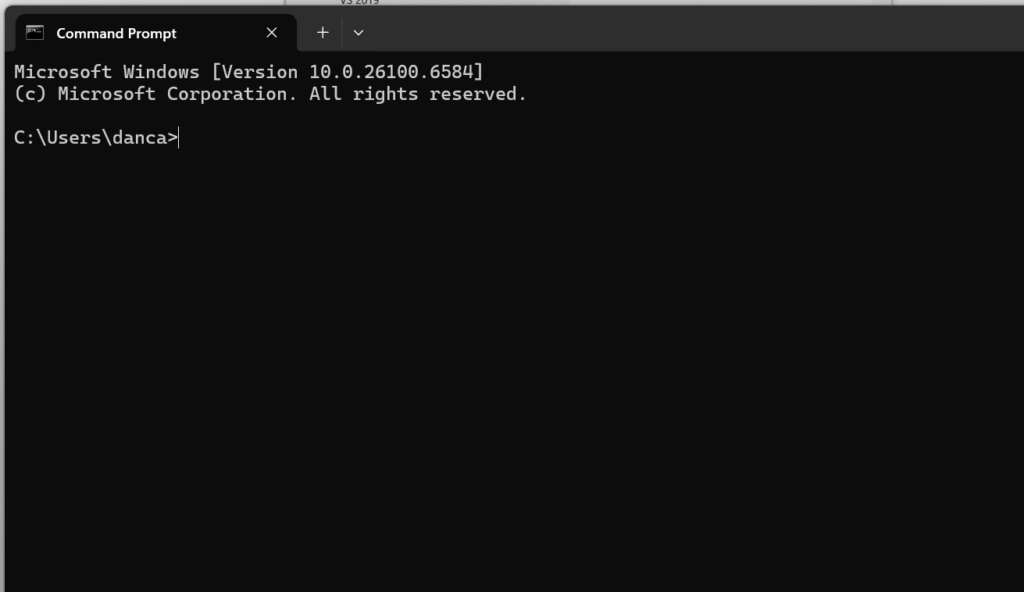
Don’t worry if you see an error message. These commands simply refresh the Windows security listings.
You should be all set and should not see the Windows Defender message again.
If you have problems with the download, please contact technical support.
Never Split The Difference By Chris Voss Pdf _hot_ -
Counterpart: "I’m just under a lot of pressure because of the tight deadline." You: "The tight deadline?"
Many amateur negotiators fear the word "No." Voss views "No" as the true beginning of the negotiation.
Voss adapts the concept of Prospect Theory (developed by psychologists Daniel Kahneman and Amos Tversky) to show how you can manipulate the perception of value without changing the actual numbers.
: List every terrible thing the other party could say about you at the start to head off their objections before they speak .
When you ask "How am I supposed to do that?" the other party stops attacking and starts thinking about your limitations. They become your consultant. never split the difference by chris voss pdf
Are you prepping for a or a business deal ? Do you prefer reading text or listening to audiobooks ? AI responses may include mistakes. Learn more Share public link
Tactical empathy is not about being nice or agreeing with the other person. It is about demonstrating that you understand their situation, feelings, and constraints. By showing that you comprehend their world, you lower their defenses. 2. The Voice
: Saying "no" makes the speaker feel safe and in control.
Traditional negotiation theory often promotes a "win-win" scenario, which frequently devolves into both parties settling for a mediocre middle ground. Voss argues that this is fundamentally flawed. If you want a raise and your boss offers , splitting the difference means you settle for . You compromised, but you didn't win.
Instead of arguing against a hostile tone, you say, "It seems like you have a lot of anxiety about this contract." This immediately lowers the emotional temperature and makes the other party feel heard. 3. Accusation Audit
Avoid "why" questions, which sound accusatory and put people on the defensive. Instead, use open-ended "how" and "what" questions. For example, asking "How am I supposed to do that?" gives the other person the responsibility of solving your problem, turning them from an adversary into a partner in finding a solution.
Labeling is a way of validating someone’s emotion by acknowledging it. You start with phrases like: "It seems like..." "It sounds like..." "It looks like..." When you ask "How am I supposed to do that
Chris Voss says it is dangerously naive.
Use calibrated questions to guide the conversation.
In his bestselling book Never Split the Difference , former international FBI hostage negotiator Chris Voss turns conventional negotiation wisdom on its head. While traditional models like the Harvard Negotiation Project emphasize logic, rationality, and getting to "Yes," Voss argues that human beings are inherently irrational and driven by emotion.
Many professionals search for Never Split the Difference by Chris Voss PDF to quickly absorb these life-changing strategies. Where to Find Legal Copies
: Human beings are driven by fear, status, and emotional needs.
 Download for Windows
 Download for Mac