Electronic Team uses cookies to personalize your experience on our website. By continuing to use this site, you agree to our cookie policy. Click here to learn more.

From the groundbreaking performances in the television series Pose to directors like the Wachowskis ( The Matrix ) and musicians like Sophie, trans creators have fundamentally altered the landscape of modern media. Intersectionality and Contemporary Challenges
Before the famous 1969 riots, gender-nonconforming people led early resistances, such as the 1959 Cooper Do-nuts riot in Los Angeles and the 1966 Compton’s Cafeteria riot in San Francisco.
The turning point of the modern LGBTQ+ rights movement—the 1969 Stonewall Riots in New York City—was catalyzed in large part by trans women of color, drag queens, and gender-nonconforming individuals. Icons like Marsha P. Johnson and Sylvia Rivera were at the forefront of resisting police brutality. They recognized that the fight for gay liberation was inseparable from the fight for gender freedom. Following Stonewall, Rivera and Johnson founded Street Transvestite Action Revolutionaries (STAR), providing housing and support to homeless queer youth and sex workers, establishing an early blueprint for intersectional community care. Distinguishing Gender Identity from Sexual Orientation
Despite the "pride" of the umbrella, the transgender community often faces steeper hurdles than their cisgender (LGB) peers. shemale nylon pics
Ballroom culture, famously documented in the film Paris Is Burning and celebrated in the television series Pose , served as a mutual-aid network and a competitive arena. Terms used widely today—such as "spilling tea," "throwing shade," "vogueing," and "reading"—were created by trans and queer people of color in these spaces.
The relationship between the transgender community and broader LGBTQ+ culture is a dynamic tapestry woven from shared struggles, distinct identities, and collective triumphs. While often grouped under a single acronym, the experiences of gender-nonconforming individuals and sexual minorities represent unique threads of human diversity. Understanding this intersection requires exploring historical roots, modern cultural contributions, unique challenges, and the ongoing fight for liberation. Historical Foundations and the Fight for Liberation
Concerns the gender of the people an individual is romantically or sexually attracted to. Icons like Marsha P
To understand modern LGBTQ culture is to understand that the "T" is not a silent letter. It is not an addendum or an afterthought. The transgender community is, and has always been, the engine of queer liberation, the sharp edge of its critique against societal norms, and the beating heart of its most profound cultural innovations. This article explores the intricate relationship between the transgender community and broader LGBTQ culture, examining their shared history, unique struggles, symbiotic relationship, and the internal tensions that continue to shape the movement for equality.
When browsing or preparing captions for images featuring trans women or gender-nonconforming individuals in fashion—such as nylon hosiery—the most common approach in community spaces focuses on self-expression, empowerment, and aesthetic appreciation
The community frequently targets legislative battles regarding bathroom access, sports participation, and restrictions on youth healthcare. Try again later.
A primary focus for trans advocacy is securing access to gender-affirming care, which includes hormone replacement therapy (HRT), mental health support, and surgeries.
This public link is valid for 7 days and shares a thread, including any personal information you added. This link or copies made by others cannot be deleted. If you share with third parties, their policies apply. Can’t copy the link right now. Try again later.
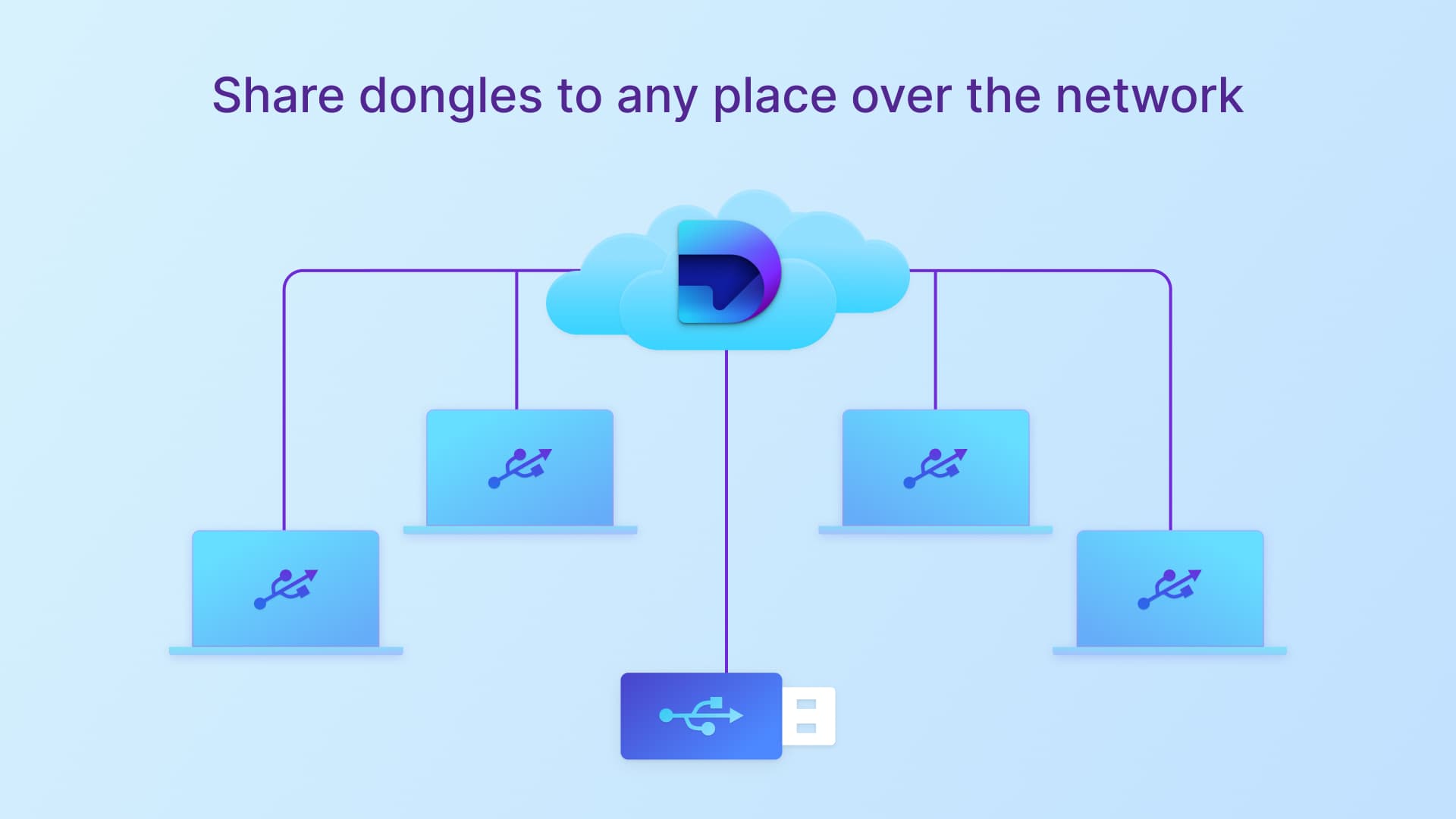
Donglify is an advanced software tool specifically built for establishing reliable and secure connections to remote USB dongle keys over the Internet. One of the most remarkable features of this solution is its ability to enable simultaneous access to a dongle from multiple remote machines.
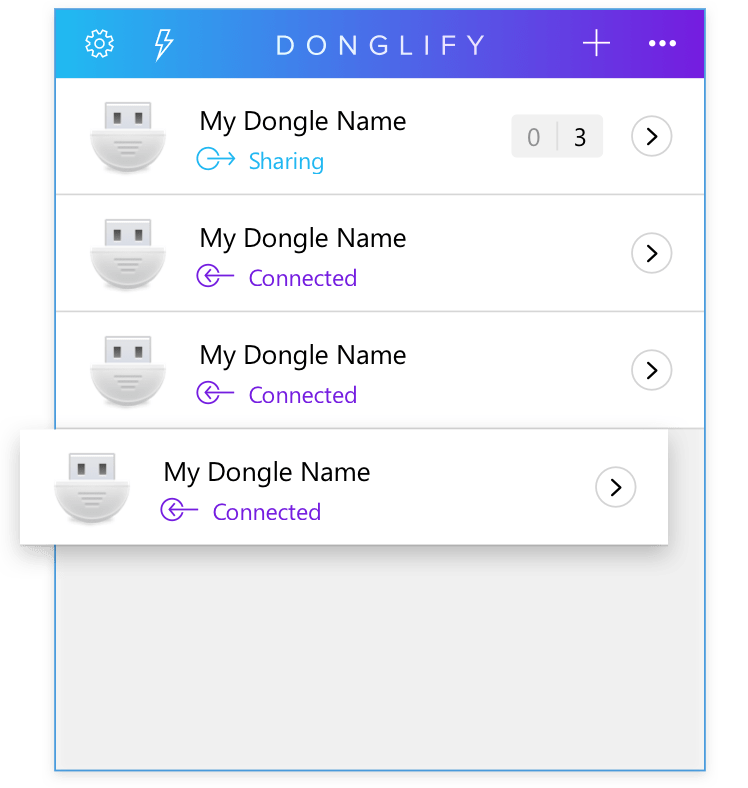
Price: from $29 per month
Trial: 7 days
Platforms: Windows, MacOS
As a specific-purpose software solution, Donglify will be a perfect fit for those looking for a powerful tool that can safely USB dongle over the network in a couple of clicks. Now, let's consider Donglify’s most significant pros and cons.
 Pros.
Pros.
 Cons.
Cons.
From the groundbreaking performances in the television series Pose to directors like the Wachowskis ( The Matrix ) and musicians like Sophie, trans creators have fundamentally altered the landscape of modern media. Intersectionality and Contemporary Challenges
Before the famous 1969 riots, gender-nonconforming people led early resistances, such as the 1959 Cooper Do-nuts riot in Los Angeles and the 1966 Compton’s Cafeteria riot in San Francisco.
The turning point of the modern LGBTQ+ rights movement—the 1969 Stonewall Riots in New York City—was catalyzed in large part by trans women of color, drag queens, and gender-nonconforming individuals. Icons like Marsha P. Johnson and Sylvia Rivera were at the forefront of resisting police brutality. They recognized that the fight for gay liberation was inseparable from the fight for gender freedom. Following Stonewall, Rivera and Johnson founded Street Transvestite Action Revolutionaries (STAR), providing housing and support to homeless queer youth and sex workers, establishing an early blueprint for intersectional community care. Distinguishing Gender Identity from Sexual Orientation
Despite the "pride" of the umbrella, the transgender community often faces steeper hurdles than their cisgender (LGB) peers.
Ballroom culture, famously documented in the film Paris Is Burning and celebrated in the television series Pose , served as a mutual-aid network and a competitive arena. Terms used widely today—such as "spilling tea," "throwing shade," "vogueing," and "reading"—were created by trans and queer people of color in these spaces.
The relationship between the transgender community and broader LGBTQ+ culture is a dynamic tapestry woven from shared struggles, distinct identities, and collective triumphs. While often grouped under a single acronym, the experiences of gender-nonconforming individuals and sexual minorities represent unique threads of human diversity. Understanding this intersection requires exploring historical roots, modern cultural contributions, unique challenges, and the ongoing fight for liberation. Historical Foundations and the Fight for Liberation
Concerns the gender of the people an individual is romantically or sexually attracted to.
To understand modern LGBTQ culture is to understand that the "T" is not a silent letter. It is not an addendum or an afterthought. The transgender community is, and has always been, the engine of queer liberation, the sharp edge of its critique against societal norms, and the beating heart of its most profound cultural innovations. This article explores the intricate relationship between the transgender community and broader LGBTQ culture, examining their shared history, unique struggles, symbiotic relationship, and the internal tensions that continue to shape the movement for equality.
When browsing or preparing captions for images featuring trans women or gender-nonconforming individuals in fashion—such as nylon hosiery—the most common approach in community spaces focuses on self-expression, empowerment, and aesthetic appreciation
The community frequently targets legislative battles regarding bathroom access, sports participation, and restrictions on youth healthcare.
A primary focus for trans advocacy is securing access to gender-affirming care, which includes hormone replacement therapy (HRT), mental health support, and surgeries.
This public link is valid for 7 days and shares a thread, including any personal information you added. This link or copies made by others cannot be deleted. If you share with third parties, their policies apply. Can’t copy the link right now. Try again later.