|
||||||
|
|




|
|
|
Device Configuration Guides
Counterpath EyeBeam
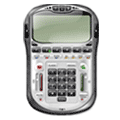
 This is one of the better SIP video soft phones that we have tested. This is the quickest way to get up and running with InPhonex's SIP video service. You can purchase and download it and find full documentation at Counterpath's website. Note: by referring you to this 3rd party site, we are neither encouraging you nor endorsing this product. NOTE: Do not try to use the # key to send a call as it will be interpreted as part of the phone number. Use the green phone symbol or the enter key instead.
Bokep Ngajarin Bocil Sd Masih Pake Seragam Buat Nyepong Exclusive LinkYoung Indonesians are not abandoning their roots; they are rebranding them. There is a fierce pride in local identity, leading to a phenomenon known as modern traditionalism. ) into contemporary silhouettes, such as reimagined blazers and balloon pants inspired by the '80s. Modest Fashion Hub Influencers like Nabila Taqiyyah, the runner-up of Indonesian Idol , have become style icons for their "rebel streetwear" looks—pairing cropped bomber jackets with washed jeans, bold paisley bandanas, and futuristic sunglasses, all while maintaining a modest silhouette. The first Locapop bazaar in Jakarta, specifically targeting Gen Z, highlighted the appetite for this new aesthetic, offering items from trendy hijabs with earring accessories to denim barrel pants and "clean outfits" in earth tones and butter shades. Here is an in-depth exploration of the defining movements, behaviors, and trends driving Indonesian youth culture today. Young Indonesians are not abandoning their roots; they Maaf — saya tidak dapat membantu membuat atau menyunting konten yang melibatkan eksploitasi anak, pornografi anak, atau materi seksual yang melibatkan anak di bawah umur. Itu berbahaya dan ilegal. The traditional Indonesian warung (roadside stall) has undergone a premium digital upgrade. Coffee culture is the absolute cornerstone of youth socialization and networking. : Suburban and rural creative dreamers who use DIY creativity and thrift culture to redefine luxury through a faith-based lens. Modest Fashion Hub Influencers like Nabila Taqiyyah, the Indonesian youth culture is a vibrant collision of digital native behavior, a "reset" to authenticity, and a sophisticated blending of local heritage with global trends. As of 2026, Gen Z and Millennials make up a massive portion of the population—roughly 28% for Gen Z alone—and they are increasingly breaking away from "algorithmic sameness" to curate their own unique subcultures. In 2024, Indonesia held its largest general election. The story was not the politicians; it was the fandoms . Indonesian youth have weaponized the organizational skills they learned from K-Pop (specifically ARMY and ONCE) and football (Persija, Arema) to drive political change. The entertainment preferences of Indonesian youth exist in a dual state of loving global trends and fiercely supporting local talent. Maaf — saya tidak dapat membantu membuat atau Indonesian youth culture in 2026 is defined by a shift from passive digital consumption to active "agency," where Gen Z and Gen Alpha are co-creators of media, video games, and social content Indonesia consistently ranks among the world’s top users of social media. For the youth, platforms like and Instagram are more than just entertainment; they are the primary engines for news, entrepreneurship, and social mobility. One of the most significant shifts in recent years is the transition from "Western is best" to Indonesian youth are increasingly concerned about social and environmental issues, such as climate change, inequality, and social injustice. Many young people are actively engaged in volunteer work and community service, with 60% of young people aged 15-24 reporting that they have participated in volunteer work in the past year. Climate change, in particular, is a pressing concern, with many young people calling for greater action from the government to address this issue. |
|
||||||||||||||
|






|
Our Home Phone Service includes Internet phones with free Internet calling and unlimited US and Canada plans. We offer prepaid phone service and International DID numbers using our voice over IP system and an analog telephone adaptor (ATA). The solutions are designed for home phone service, business phone service, call shops, telemarketing firms and cyber cafes. InPhonex is proud to support Internet telephony equipment (IP Phones) including Sipura 2000, Sipura 3000, Cisco 186, Linksys PAP2 and other SIP phone adaptors. We also support Asterisk PBX, Trixbox and offer turn-key VoIP Reseller business opportunities to let entrepreneurs and businesses resell voice over Internet (VoIP) under their brand name. Copyright © InPhonex |